- by foxnews
- 11 Sep 2026
Should you use a separate computer for online banking?
A dedicated banking computer isolates your financial accounts from malware and phishing, but passwords, SIM swapping and outdated software remain risks.
- by foxnews
- 08 Sep 2026
- in technology
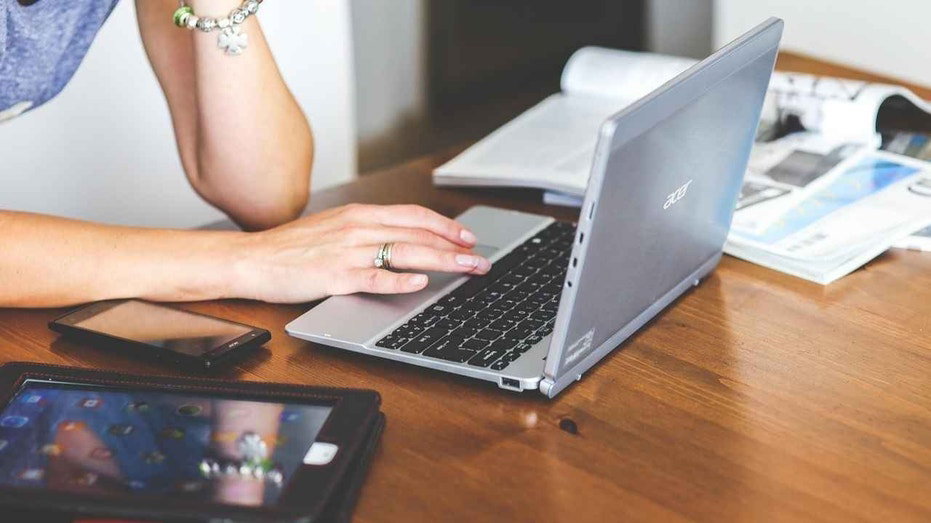
When so much of your financial life lives online, protecting the device you use to access your money deserves some extra thought. Nancy from Baton Rouge, Louisiana, recently wrote to us asking whether keeping banking and investments on an entirely separate computer could provide another layer of protection.
"I've had several clients tell me they have bought a computer that is only used for online banking, financial institutions and anything to do with their investment accounts. Is this a good strategy for protecting some of your assets? What are the upsides and what are the downsides?"
Nancy, yes. Using a separate computer only for banking, investments and other financial accounts can add a meaningful layer of security. I especially like this approach for someone with substantial savings or retirement assets. It can also make sense if you simply want to keep your financial life separated from everything else you do online.
However, buying another computer will not make your accounts untouchable. How you set it up and how you use it are what make the strategy worthwhile.
Missed CyberGuy LIVE? Watch the Protect Your Money replay
Our free CyberGuy LIVE class, Protect Your Money From Today's Biggest Threats , has ended, but you can still watch the full replay and download our financial protection checklist. Kurt "CyberGuy" Knutsson walks you through five simple ways to help defend yourself against AI scams, fraud, identity theft and financial hacks. You'll learn how to set up bank alerts, strengthen your account logins, protect your phone number, freeze your credit and help secure your retirement savings against unauthorized transfers. No technical experience is needed.
Get the free replay and checklist now at CyberGuyLive.com
Think about what happens on the computer you use every day. You open email, click links and shop online. Maybe you also use social media, download documents or install browser extensions. All of that creates opportunities for malware, phishing attempts or malicious software to reach your device. A dedicated financial computer removes much of that exposure.
The biggest advantage is isolation. If malware gets onto the laptop you use for email or everyday browsing, your dedicated financial computer remains separate.
There are several other benefits worth considering:
For people who do not need to check investments constantly, that separation can be especially useful.
This is where you need to be careful. A banking-only computer can reduce certain risks, but it cannot protect you from every way criminals may try to reach your money.
If you reuse a password that later appears in a data breach, having a separate computer will not solve the problem. Every financial account should have its own strong password. A password manager can help create and securely store unique passwords for you.
Suppose you receive an alarming text on your phone claiming someone transferred thousands of dollars from your account. You walk over to the dedicated computer and type the website address included in that message. If the address leads to a phishing site, the separate computer cannot protect you from entering your login information there. That is why I recommend bookmarking your financial institutions' legitimate websites and using those bookmarks rather than following addresses sent through unexpected emails or texts.
A computer that spends most of its life sitting unused can create another problem. It still needs security updates. Operating system and browser updates regularly fix vulnerabilities that criminals may try to exploit. Keep automatic updates enabled and restart the computer when necessary. If you have not used the financial computer in several weeks, let it finish installing updates before signing into your accounts.
If you decide to take this approach, keep the computer's purpose very narrow. The less you do on it, the more useful the separation becomes.
Keep Windows, macOS or ChromeOS updated automatically. Your browser should stay updated too. Do not keep postponing restarts when an important security update requires one.
Reserve it for your bank, brokerage accounts, retirement plans, credit cards and other important financial services. Avoid email and social media. Do your online shopping and everyday browsing on another device.
I would also keep strong antivirus software running on the dedicated computer. Look for protection that can detect malware, phishing attempts and other online threats in real time. Even on a computer with limited use, antivirus software adds another layer of protection in case a malicious website or other threat reaches the device. Get my picks for the best 2026 antivirus protection winners for your Windows, Mac, Android & iOS devices at Cyberguy.com
Go directly to your financial institution's legitimate website and save it as a bookmark. Then use that bookmark whenever you need to sign in. Be especially careful with financial links that arrive through text messages or emails, even when they appear urgent.
Do not wait until your monthly statement arrives to discover suspicious activity. Set alerts for logins, withdrawals, transfers, new payees and password changes whenever your financial institution offers them. These notifications can give you an early warning when something happens that you did not authorize.
No. You can safely manage financial accounts from a well-maintained everyday computer if you follow strong security practices. Keep the computer updated. Protect each financial account with a unique password and use strong authentication whenever possible.
For many people, those protections combined with careful online behavior will provide strong security. However, I look at the equation a little differently for someone managing significant retirement savings or investment assets. The cost of a basic computer may be relatively small compared with the amount of money you are trying to protect. You also do not need an expensive machine for banking and investment websites.
If you decide the extra separation makes sense for you, take a look at my best laptops for 2026 and best desktop computers for 2026 at Cyberguy.com to compare current options. A dedicated machine can create a cleaner and more controlled environment for accessing your financial accounts. Just remember that the separation only works if you maintain it. Once the "banking computer" becomes the computer you also use for email, social media or general web browsing, much of that security advantage disappears.
Nancy's question gets at something I wish more people thought about before a scam or account takeover happens. A separate computer for online banking can be a smart additional barrier, particularly when you are protecting significant savings or retirement assets. Keeping email, downloads and everyday web activity away from that machine reduces the opportunities criminals have to reach it. Still, I would never rely on the computer alone. Your passwords matter. Your phone number needs protection. Strong authentication can help stop someone who gets hold of a password, while account alerts can warn you when something suspicious happens. So, if buying a dedicated computer gives you greater control over how you access your money, I think it is a sensible strategy. Treat it as another layer in a larger financial security plan rather than a replacement for the protections you already need. And if protecting your money is top of mind, you can still watch the free CyberGuy LIVE replay, Protect Your Money From Today's Biggest Threats, at CyberGuyLive.com. We cover bank alerts, stronger account logins, phone-number protection, credit freezes and additional safeguards for retirement accounts.
Would you spend a few hundred dollars on a separate computer if it could reduce the risk to your savings and investments, or do you think securing the computer you already own is enough? Let us know by writing to us at Cyberguy.com
Sign up for my FREE CyberGuy Report
Copyright 2026 CyberGuy.com. All rights reserved.
you may also like


- by foxnews
- 11 Sep 2026
Amazon's Alexa for Shopping can now verify suspicious messages

- by foxnews
- 11 Sep 2026
Floating solar panels could save cities millions. Is your town next?




travel
- by foxnews
- descember 09, 2016
Deadly drugs, crime and kidnapping flagged at tourist hot spot known for ancient wonders
The U.S. State Department is flagging express kidnappings, violent crime and dangerous drugs like ayahuasca in an updated travel advisory for Americans considering trips to Peru.
read more